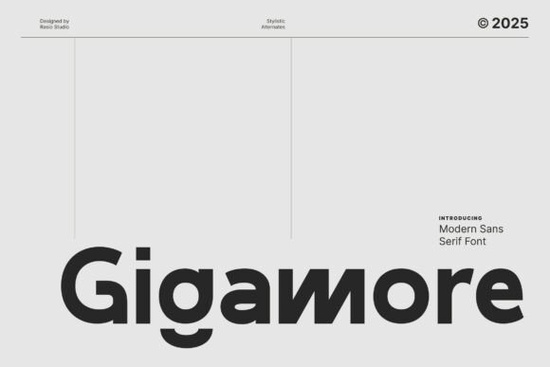
If you’re searching for a modern sans serif font that balances boldness with clean lines, Gigamore Font is worth a closer look. Designed with thick proportions and smooth curves, it works well for corporate branding, tech startups, and creative agencies that want a professional yet distinct look. Whether you’re a print-on-demand seller creating merchandise or a small business building a visual identity, this typeface offers stylistic alternates that keep your designs from feeling generic.
What makes Gigamore different from other sans serif fonts?
Many sans serif typefaces follow strict geometric rules, which can sometimes make them feel cold or repetitive. Gigamore stands out because it mixes a sturdy, modern structure with subtle curves and alternates. For example, you can swap standard letterforms for more playful or expressive versions without losing readability. This flexibility is especially useful when you want the same font to work for a minimalist logo and a bold editorial headline. If you’ve tried other condensed sans serif collections and found them too rigid, Gigamore offers a refreshing middle ground.
Another thing that sets it apart is the range of stylistic alternates included. Instead of buying separate fonts for different moods, you get multiple looks in one file. This saves time during the design process, especially when you’re crafting brand guidelines or packaging mockups.
How can you use Gigamore for logo design and branding?
Small business owners and creative freelancers often struggle to find a font that feels both contemporary and trustworthy. Gigamore hits that mark well. Its bold weight works for logos that need to stand out on packaging or website headers, while the lighter weights keep it approachable for body text in presentations or brochures. The stylistic alternates let you personalise the logo without commissioning a custom typeface.
Pair it with a neutral colour palette for a clean identity, or use it with bright accents for a more playful brand. Many fashion labels and editorial magazines have moved toward this kind of balanced sans serif because it photographs well on both screen and print. If you run a print-on-demand shop, you can use Gigamore for t-shirt quotes, mug text, or tote bag designs without worrying about thin strokes disappearing on fabric.
Is Gigamore suitable for print and web projects?
Yes. The font comes with multiple weights and supports both desktop and web use. For print, the bold proportions keep text legible even at smaller sizes, which is helpful for flyer details or business card contact information. On the web, the clear letterforms improve readability on high-resolution screens, especially for headers and navigation menus.
If you work with website headers or landing pages, Gigamore’s clean shape handles different background colours well. You won’t see ugly jagged edges or inconsistent spacing. For digital magazines or online portfolios, the stylistic alternates add a bit of character without distracting from the content. It’s a solid choice when you need one typeface that works across business cards, social media templates, and your Shopify storefront.
How does Gigamore compare to other modern font options?
There are many bold sans serif fonts available, but Gigamore stands out because of the built-in alternates and the way the curves soften the overall look. For example, the Senthil font is another modern sans serif option, but it leans more geometric and uniform. Gigamore gives you more flexibility for a brand that wants to appear approachable yet powerful. Similarly, if you’ve tried ultra-condensed styles, you might find Gigamore provides better spacing for readability in multi-line layouts.
The font file itself is well-hinted, which means it renders smoothly on screen even without anti-aliasing tricks. That matters for designers who export mockups directly from design software or for sellers who create preview images for Etsy listings. You also get access to multiple weights (thin, light, regular, bold, extra bold) so you can build a complete visual hierarchy without mixing different font families.
What should you keep in mind when using Gigamore?
- Check the alternates early. Open the glyph panel and set your favourite alternates before you start laying out text. This avoids later adjustments.
- Pair with a simple serif for long articles. If you use Gigamore for headings, try a classic serif like Georgia or Lora for body copy to keep a balanced contrast.
- Test on physical products. If you’re using it for print-on-demand items like mugs or notebooks, print a sample first. The bold weights usually work great, but check that thin strokes don’t get lost on dark backgrounds.
- Use one weight per project. Stick to two weights max unless you’re doing a large magazine layout. Too many weights can make the design feel scattered.
Practical next steps
If you’re ready to try Gigamore for an upcoming project, start by downloading the demo or purchasing the full set from Creative Fabrica. Load it into your design tool (Canva, Illustrator, Photoshop, or Affinity) and create a simple mood board with three different style variations: a bold logo lockup, a website header with alternates, and a product mockup. This quick test will show you how the font behaves across your most common use cases. For more condensed sans serif options, you can also explore the Gigamore product page to see full character set previews. Then decide whether this typeface fits your brand or client work.
Learn More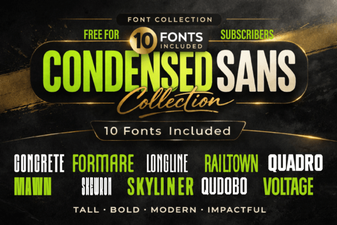 Tall Condensed Fonts for Modern Web Design
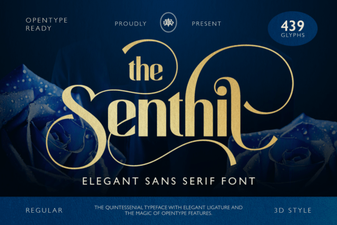 Senthil Font for Modern Design Projects
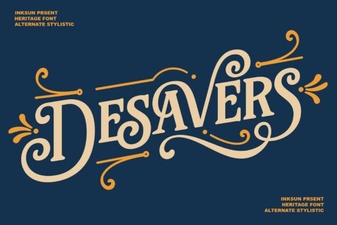 Desavers Font: Creativity & Design Ideas for Projects
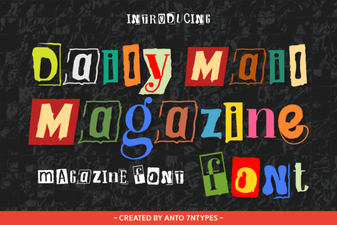 Font Inspiration From the Daily Mail Magazine
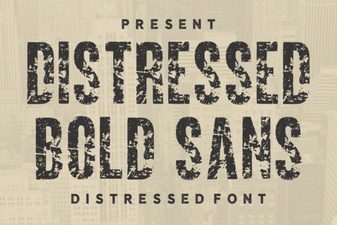 Bold Distressed Fonts for Modern Design Projects
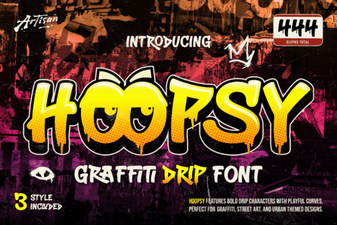 Hoopsy Font: a Designer's Playful Typography Toolkit